Residential
chevron_rightBuilding the Future in Dholera Smart City






CIN No. :- U70200GJ2012PTC100931
Subscribe to our newsletter
© 2026, SmartHomes Infrastructure Pvt. Ltd. All rights reserved
Powered By :

07 Mar, 2026
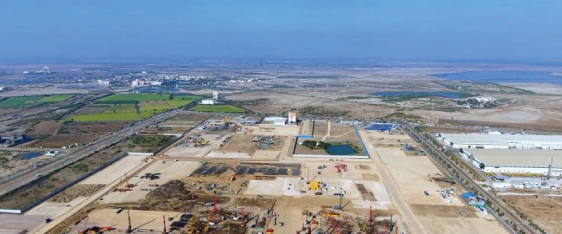
As the world becomes increasingly dependent on technology, semiconductors have emerged as the backbone of modern innovation. From smartphones and laptops to automobiles and industrial automation, these tiny chips power nearly every aspect of our daily lives. Recognizing the strategic importance of semiconductor manufacturing, India has taken a bold step toward self-sufficiency with the planned establishment of a state-of-the-art semiconductor fabrication plant in Dholera Special Investment Region (SIR).
This high-tech facility will cater to the growing global demand for semiconductors, attracting massive investments, creating jobs, and making India a major player in the international semiconductor supply chain. As part of India’s broader vision to become a global hub for electronics manufacturing, the Dholera Semiconductor Plant is set to be a game-changer for the nation’s technological and economic landscape.
The global semiconductor industry has witnessed unprecedented disruptions in recent years, with supply chain bottlenecks affecting industries worldwide. The COVID-19 pandemic, geopolitical tensions, and increased demand for electronic devices have created a severe chip shortage, emphasizing the need for countries to develop their own semiconductor manufacturing ecosystems.
India, despite being a huge consumer of semiconductors, has relied entirely on imports for its chip requirements. The establishment of a semiconductor fabrication (fab) plant in Dholera will:
By becoming self-reliant in semiconductor production, India will be able to compete with global tech giants like Taiwan, South Korea, and the United States, securing its place in the global digital economy.
The Dholera Special Investment Region (SIR) in Gujarat is a perfect location for setting up a world-class semiconductor plant. The region is India’s first Greenfield Smart City, offering state-of-the-art infrastructure, a strategic location, and policy-driven incentives for investors.
With these key advantages, Dholera is set to emerge as a global semiconductor manufacturing hub, supporting industries like automotive, telecommunications, consumer electronics, and AI-driven technologies.
The semiconductor plant is expected to draw multi-billion-dollar investments from global chip manufacturers and Indian technology companies. Major players in the semiconductor industry, including TSMC, Intel, Qualcomm, and Samsung, are eyeing India as a potential manufacturing destination.
The project will create thousands of direct and indirect jobs, benefiting engineers, technicians, and skilled workers across various disciplines. This will help reduce unemployment rates and strengthen India’s workforce in advanced manufacturing.
By producing high-quality semiconductor chips, India will:
With a domestic semiconductor manufacturing facility, Indian companies will be able to develop and innovate faster, giving rise to next-generation technologies in:
By investing in semiconductor fabrication, India will empower its tech industry and accelerate digital transformation.
The establishment of the Dholera Semiconductor Plant is only the beginning of a larger vision. The Indian government has already announced plans to:
By fostering a thriving semiconductor ecosystem, India is aiming to become a key player in the $1 trillion global semiconductor industry by 2030.
The Dholera Semiconductor Plant represents India’s bold step toward technological independence. By building its own semiconductor fabrication capabilities, India is future-proofing its economy, ensuring self-sufficiency in chip production, and positioning itself as a global leader in electronics manufacturing.
With strong government support, world-class infrastructure, and a commitment to innovation, Dholera is set to become the semiconductor capital of India, attracting global players and transforming the nation into a high-tech powerhouse.
The success of this project will not only strengthen India’s economy but also redefine its role in the global semiconductor supply chain, making it a critical player in the digital age.